Most people’s teeth are not naturally perfect. A “bad bite,” or malocclusion, can affect chewing, speech, oral hygiene, and appearance, and it can be genetic or caused by habits like thumb sucking, injury, or early tooth loss. Orthodontic treatment at Smile Arc Orthodontics corrects these problems and improves both function and confidence.
Understanding the issue you or your child may have is the first step to correcting it. Below are the most common orthodontic problems we treat.
How Orthodontics Corrects These Problems
Most of these issues are treated with braces or clear aligners, sometimes combined with expansion or, in skeletal cases, jaw-surgery coordination. The earlier a problem is identified, the simpler correction tends to be, which is why the American Association of Orthodontists recommends a first evaluation by age 7. Adults benefit too, since correcting a bite protects long-term dental health at any age.
Find Out Which Applies to You
The best way to understand your bite is a complimentary evaluation. Dr. Ehsani and our team will explain what we see and your options, whether that is braces, Invisalign®, or airway-focused expansion. Call (858) 277-8088 or request a consultation. Smile Arc Orthodontics serves 4S Ranch, Rancho Bernardo, and North County San Diego.
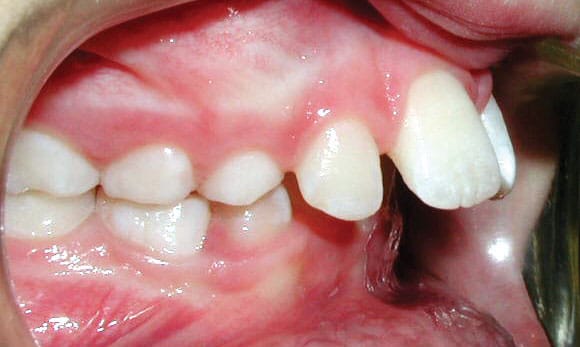
Upper Front Teeth Protrusion
The upper front teeth extend too far forward, or the lower teeth not far enough. Beyond appearance, protruding front teeth are more vulnerable to injury during sports or a fall, and they can make it harder to close the lips comfortably. Braces or aligners can guide the teeth back into a protected, balanced position.
Overbite
The upper front teeth extend well over the lower front teeth, sometimes far enough that the lower teeth bite into the roof of the mouth. A deep overbite can lead to excessive wear on the front teeth and jaw strain over time, and it responds well to orthodontic correction.
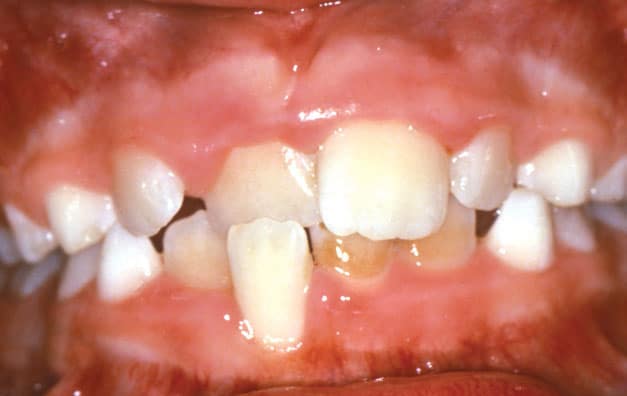
Crossbite
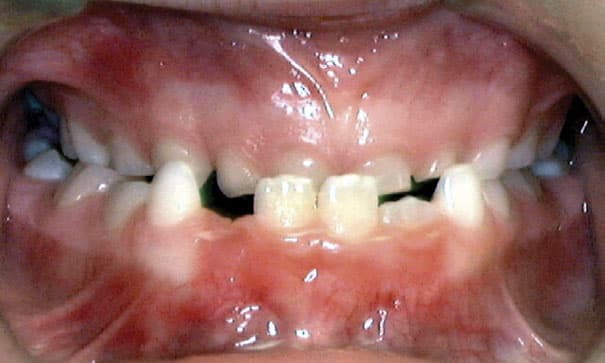
The upper teeth sit inside the lower teeth, either at the front or along the sides. A crossbite can cause uneven tooth wear, gum recession, and asymmetric jaw growth if left untreated. It is often corrected with expansion, including MARPE for adults whose palate has already fused.
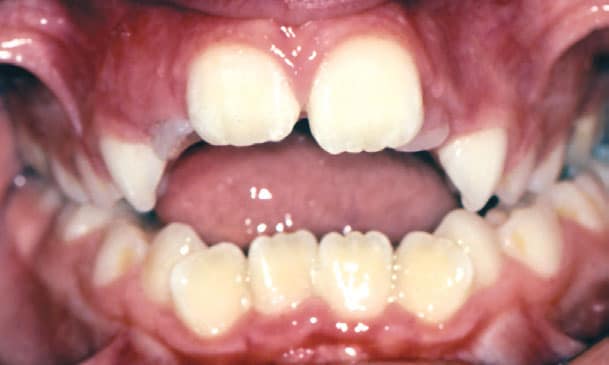
Openbite
The upper and lower front teeth do not overlap when the back teeth are together. An open bite makes biting into food difficult and can encourage habits such as tongue thrusting. Treatment addresses both the alignment and any underlying habit.
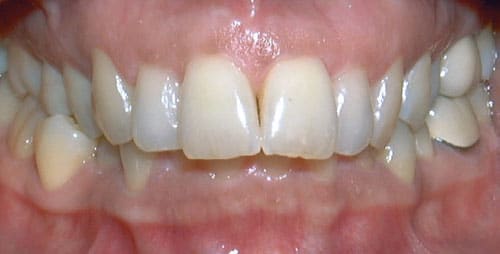
Crowding
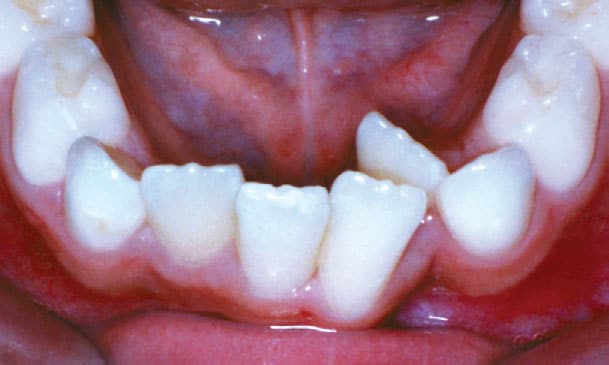
There is not enough room for teeth to come in straight, so they overlap or twist. Crowded teeth are harder to clean, which raises the risk of decay and gum disease. Crowding can often be corrected with expansion or alignment, and in many cases tooth removal can be avoided.
Spacing
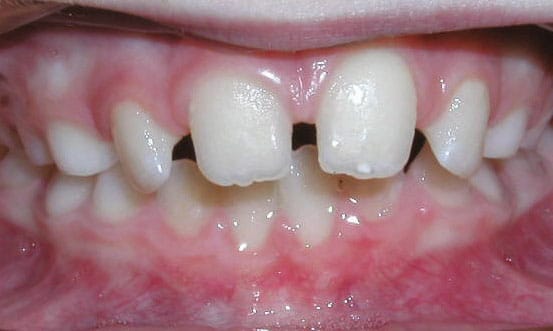
Gaps between teeth can come from missing teeth, teeth that are small relative to the jaw, or simply natural development. Beyond the cosmetic concern, spacing can affect the bite and let food pack between teeth. Braces or Invisalign® can close the gaps for a more even, confident smile.
Underbite
The lower jaw sits forward, so the lower front teeth land in front of the upper front teeth. Underbites are usually related to jaw position, can affect chewing and speech, and sometimes benefit from early growth guidance in children or surgical coordination in adults with a significant skeletal imbalance.